Cyber Security Awareness

Introduction

In today's digital age, cyber security is more important than ever. As we rely more on technology for everyday tasks, from banking to social media, the risks associated with cybercrime also increase. Vulnerable groups such as the elderly, migrants, CALD communities, and individuals with disabilities can be particularly at risk. The New South Wales Central West Cyber Safe Communities Initiative, run by the New South Wales Central West Muslim Association, aims to educate and empower individuals to stay safe online.

Our program provides essential knowledge to help you understand cyber threats and adopt safe online practices, ensuring that you and your community can confidently navigate the digital world.

Common Cyber Security Threats
Phishing Attacks
Phishing Attacks
Identity Theft
Identity Theft
Scams Targeting the Elderly and Migrants
Malware and Viruses
Malware and Viruses

Ways to Protect Yourself Online
Use Strong Passwords
Enable Two-Factor Authentication (2FA)
Enable Multi-Factor Authentication (MFA)
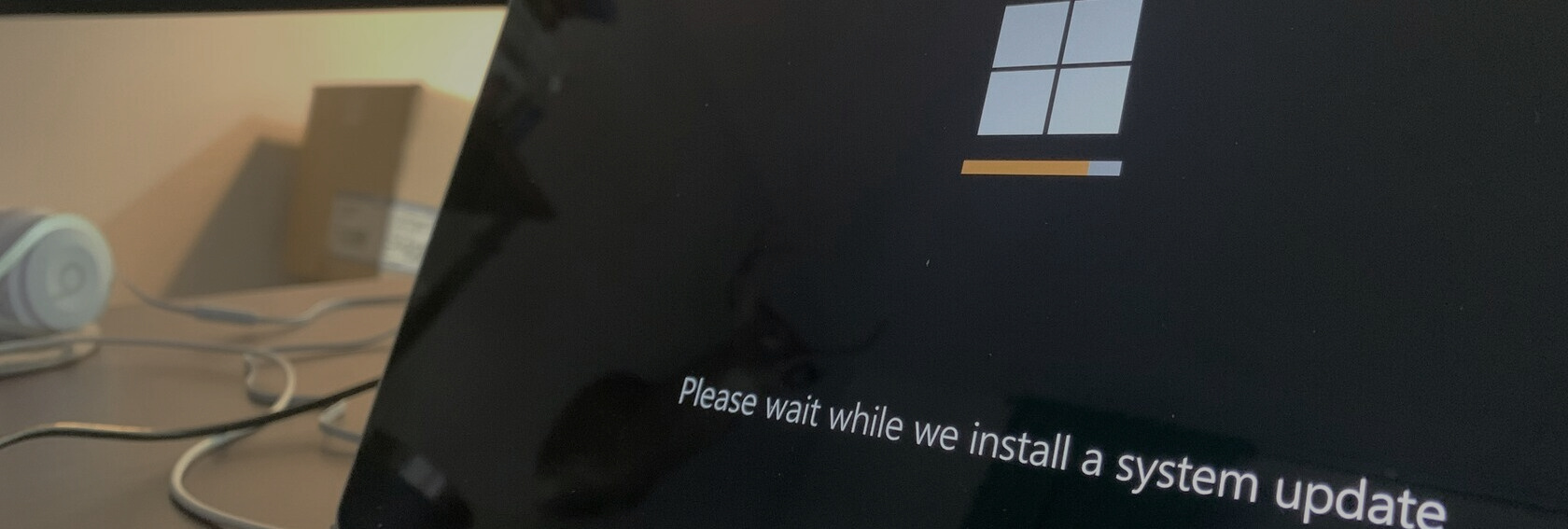
Keep Software and Devices Updated
Avoid Suspicious Links and Attachments
Secure Personal Information

For a full step-by-step course on everyday cyber security (passphrases, MFA, scams, devices, public Wi‑Fi, community conversations, reporting and recovery), see Everyday Cyber Security: Practical Steps for Australians (PDF).

Helpful Tips for Staying Safe Online

For Elderly Individuals
For Migrants and CALD Communities
For Small Businesses
For Individuals with Disabilities

Project Activities Timeline

  • Project Launch
    Official project kick-off event introducing the initiative and its goals to the community.


  • Tailored in-person workshop for migrants on cyber threats, with materials translated into their native languages.


  • Cyber security training for elderly individuals featuring simplified, step-by-step instructions and hands-on activities.


  • Community engagement event featuring Q&A sessions, cultural presentations, and cyber security demonstrations.


  • Workshop 3
    Customised training session for farmers focusing on protecting business operations from cyber threats.


  • Translation Service Rollout
    Distribution of translated brochures and online resources to migrant communities.


  • One-on-One Support Launch
    Launch of helpline service providing personalised assistance with cyber security issues.


  • Workshop 4
    Workshop for individuals with disabilities, featuring accessible formats (audio, large print, and easy-read versions).


  • Mid-Year Review
    Progress review and participant feedback collection to evaluate the effectiveness of activities to date.


  • Workshop 5
    Joint workshop for farmers and elderly individuals to promote collaboration and enhance cyber security awareness.


  • Launch of a social media campaign targeting all vulnerable groups with Act Now, Stay Secure materials.


  • Community Leader Consultation
    Meeting with local leaders to gather insights and feedback for improving outreach strategies.


  • Advanced training session for migrants and individuals with disabilities focusing on fraud prevention and identity protection. Comprehensive cyber security awareness workshop covering multi-factor authentication, strong passphrases, online scam recognition, and safe internet practices.


  • End-of-Year Event
    Community celebration highlighting project achievements, featuring testimonials and success stories.

GET IN TOUCH

Head Office – Dubbo

71A TAMWORTH STREET,

DUBBO NSW 2830

Wellington Office

3A CHARLES STREET,

WELLINGTON NSW 2820

PHONE: 02 8413 1353

EMAIL: INFO@NSWCWMA.ORG.AU

business hours

Monday:

Tuesday:

Wednesday:

Thursday:

Friday:

Saturday:

Sunday:

9am-5pm

9am-5pm

9am-5pm

9am-5pm

9am-5pm

Closed

Closed

BECOME A MEMBER

FOLLOW US

Aboriginal Flag Image

The New South Wales Central West Muslims Association acknowledges the First Peoples of Australia as the traditional custodians of the land on which we work. We acknowledge their cultures are living ones, which relate to their ongoing connection to all things living and non-living on land, sea and sky. We pay our respects to their Elders past and present. May the children of today lead us to a brighter tomorrow.